Skincare for Oily and Combination Skin in the Philippines
A complete skincare routine for oily and combination skin in Philippine humidity — cleansing, hydration, actives, and product picks that control shine without stripping your face.
If your face looks fresh in the morning and shiny by lunch, you are not doing anything wrong — you are just living with oily or combination skin in one of the most humid climates on earth. Metro Manila heat, long commutes, and air-conditioned offices push your skin through a daily cycle of sweat, oil, and dehydration. The goal of a good routine is not to erase oil completely. It is to balance your skin so it produces less throughout the day, stays comfortable, and breaks out less often.
This guide walks through a realistic skincare routine for oily and combination skin in the Philippines — what each step does, how to build it slowly, and the mistakes that quietly make oiliness worse.
First, know your skin type
Oily and combination skin are related but not identical:
- Oily skin produces excess sebum across most of the face — forehead, nose, cheeks, and chin all get shiny.
- Combination skin is oily in the T-zone (forehead, nose, chin) but normal or dry on the cheeks and around the eyes.
Most Filipinas who think they are "purely oily" are actually combination — the cheeks just get overlooked because the T-zone demands attention. This matters because you may need two approaches on one face: lighter products on the T-zone, slightly richer hydration on the cheeks.
A quick test: wash your face, wait an hour without applying anything, then press a tissue on different areas. If the whole tissue shows oil, you lean oily. If only the T-zone marks it, you are combination.
Why humidity makes oily skin trickier
It feels backward, but oily skin is often dehydrated. Dehydration means a lack of water, not oil. When the skin barrier loses water — from harsh cleansers, over-exfoliating, or aircon — it can respond by producing more oil to compensate. The result is the worst of both worlds: greasy on the surface, tight and dull underneath.
In Philippine weather, sweat also mixes with sebum and sunscreen throughout the day, which can clog pores if you are not cleansing properly at night. The fix is not more scrubbing — it is a gentle, consistent routine that keeps the barrier intact.
The core routine
You do not need ten steps. A strong oily/combination routine has a few reliable steps done consistently.
Morning
- Gentle cleanser or water rinse. If your skin is very oily overnight, a mild gel cleanser works. If it feels balanced, a plain water rinse is enough — no need to strip in the morning.
- Hydrating toner or essence (optional). A watery, alcohol-free hydrator adds moisture without heaviness.
- Lightweight moisturiser. Yes, oily skin needs moisturiser. Choose a gel or gel-cream. Skipping it often backfires with more oil.
- Sunscreen. Non-negotiable in the tropics. Pick a lightweight, matte, or gel-based SPF 30 or higher. This is your most important morning step.
Evening
- First cleanse (oil or micellar). Removes sunscreen, sweat, and makeup. Even if you do not wear makeup, sunscreen needs proper removal.
- Second cleanse (water-based gel). Cleans the skin itself. This double-cleanse method is ideal for humid climates where daily grime builds up.
- Treatment (a few nights a week). Actives like niacinamide, salicylic acid, or retinol — introduced slowly.
- Moisturiser. Slightly more than the morning if aircon dries you out at night.
Notice there is no harsh scrub, no astringent that leaves your skin squeaking, and no ten-serum stack. Simplicity wins with oily skin.
Cleansing without stripping
The biggest mistake oily-skinned people make is over-cleansing. Washing three or four times a day with strong foaming cleansers strips the barrier and triggers rebound oil.
Guidelines that work in PH heat:
- Cleanse twice a day — morning (light) and night (thorough).
- Use lukewarm water, never hot.
- If you sweat heavily after a commute or gym, a quick water rinse is fine — save the real cleanse for night.
- Choose a cleanser that leaves skin comfortable, not tight. Tightness is a warning sign, not a sign of "clean."
Gel and low-foam cleansers generally suit oily skin better than heavy cream cleansers, but avoid anything that burns or leaves you parched.
Hydration is your secret weapon
Because dehydrated oily skin overproduces sebum, adding water back often reduces shine over a few weeks. Look for lightweight hydrating ingredients:
- Hyaluronic acid — draws water into the skin; use on damp skin, then seal with moisturiser.
- Glycerin — a reliable, affordable humectant found in many drugstore products.
- Panthenol and centella (cica) — soothing and barrier-supporting, good if your skin is irritated.
The trick is texture: gels, essences, and fluids feel weightless in humidity. Save thick creams for very dry cheeks only, or for aircon-heavy nights.
Introducing actives safely
Actives can transform oily and acne-prone skin — but only if introduced slowly. Rushing in with three strong products at once usually ends in redness, peeling, and more oil as the barrier panics.
Niacinamide is the friendliest starting active for oily skin. It helps regulate oil, smooth texture, and calm redness. A 5% concentration is plenty; higher is not always better. You can use it most days.
Salicylic acid (BHA) is oil-soluble, so it gets into pores and clears congestion — ideal for blackheads and bumpy texture. Start once or twice a week, then increase if tolerated.
Retinol helps with oil, texture, and long-term skin health, but it demands patience. Begin one night a week with a low concentration, always follow with moisturiser, and never skip sunscreen the next day.
Golden rules for actives:
- Add one new active at a time, and wait two to three weeks before adding another.
- Patch test on the jaw for a few days first.
- Do not layer strong acids and retinol on the same night when you are new.
- If your skin stings, flakes, or breaks out badly, scale back — irritation is not "purging" if it lasts for weeks.
Sunscreen for oily skin
Many people avoid sunscreen because past formulas felt greasy. Modern options are far better. For oily and combination skin in the Philippines:
- Choose gel, fluid, or matte-finish sunscreens.
- Look for "non-comedogenic" if you are acne-prone.
- Apply two finger-lengths for the face and neck — under-applying is the most common mistake, according to the American Academy of Dermatology.
- Reapply midday if you are outdoors a lot. A powder SPF or sunscreen stick is easy to reapply over makeup without adding grease.
Sunscreen prevents dark spots, premature ageing, and worsening of acne marks — which are common concerns for Filipino skin that scars easily.
Managing shine through the day
Controlling oil while you are out does not require re-powdering every hour:
- Blotting papers lift oil without disturbing makeup or sunscreen. Press, do not rub.
- A light dusting of powder on the T-zone only keeps shine down without a cakey look on the cheeks.
- Carry a small facial mist with hydrating ingredients — it refreshes without adding oil.
- Avoid the urge to wash your face at the office sink midday; it strips and restarts the oil cycle.
Weekly extras worth doing
- Exfoliate with a chemical exfoliant (BHA or a gentle AHA) once or twice a week rather than a gritty scrub. Physical scrubs can micro-tear the skin and worsen oil.
- Clay masks on the T-zone help absorb excess oil and clear congestion. Once a week is enough; over-masking dries you out.
- Do not combine a strong exfoliation night with a clay mask and retinol — space these out to protect your barrier.
Common mistakes that make oiliness worse
- Skipping moisturiser — triggers rebound oil.
- Using alcohol-heavy toners — a temporary matte finish, followed by more oil.
- Over-washing — strips and irritates.
- Touching and picking — spreads bacteria and causes scarring.
- Piling on new products at once — makes it impossible to know what helped or hurt.
- Dirty makeup tools and pillowcases — a hidden cause of persistent breakouts in humid weather.
- Chasing "poreless" skin — pore size is largely genetic; you can keep pores clear, but you cannot erase them.
Building your routine on a budget
You do not need imported luxury products to manage oily skin. A workable drugstore routine in the Philippines might be:
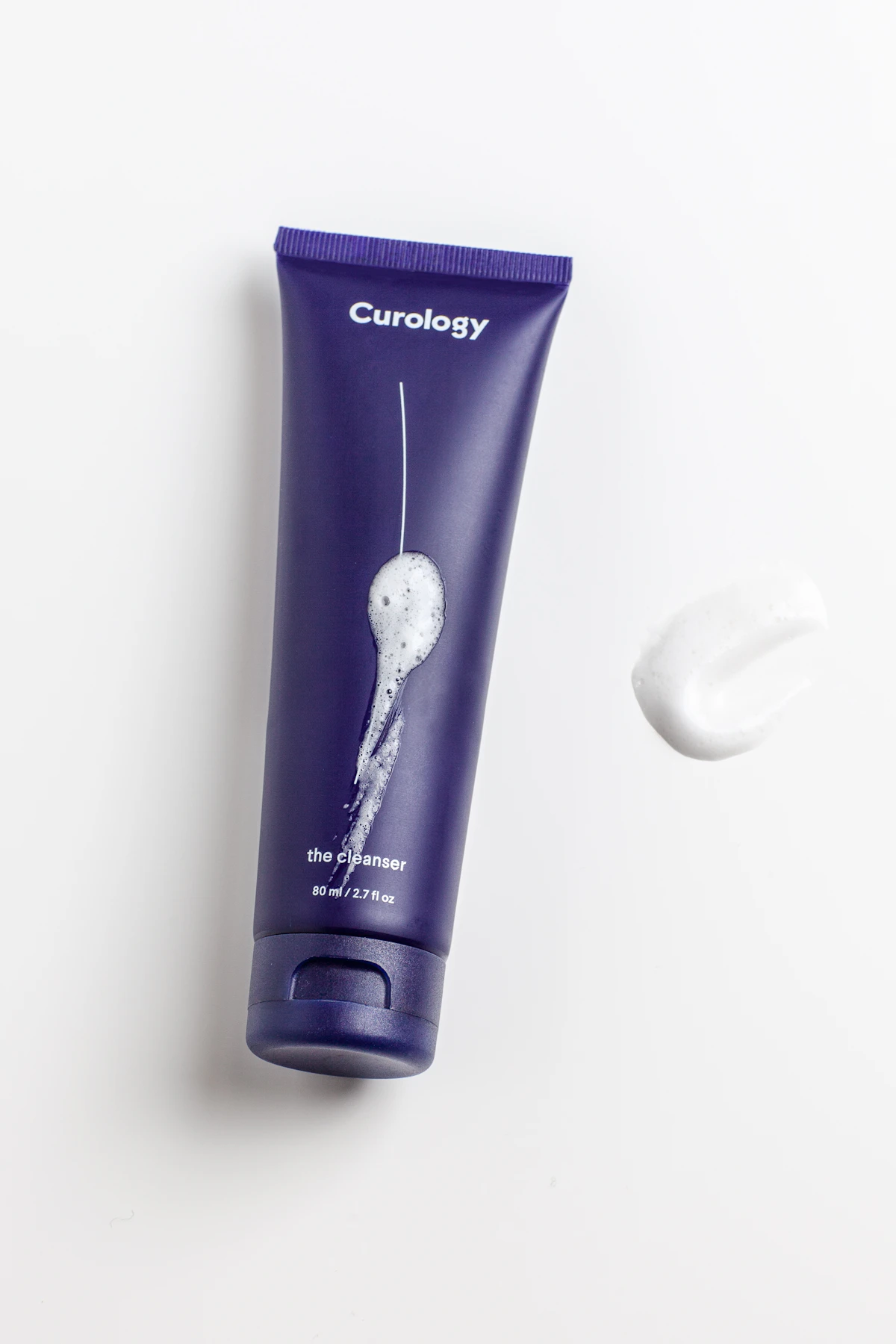
- A gentle gel cleanser
- A hydrating toner or essence with glycerin
- A niacinamide serum
- A gel moisturiser
- A lightweight sunscreen
Spend a little more on the sunscreen and cleanser if your budget is tight, since these do the most daily work. Add a salicylic acid product when you are ready to tackle congestion, and consider retinol later for long-term goals. Introduce them one at a time.
A realistic timeline
Skincare is not overnight. With oily and combination skin, expect:
- 1–2 weeks: skin feels more comfortable and hydrated; less midday tightness.
- 4–6 weeks: fewer small bumps and clearer texture as actives take effect.
- 8–12 weeks: more even tone, calmer breakouts, and steadier oil through the day.
If a product causes lasting irritation or breakouts that do not settle, stop and simplify. Persistent, painful, or cystic acne deserves a visit to a dermatologist rather than endless product-swapping.
Bottom line
Oily and combination skin in the Philippines thrives on balance, not battle. Cleanse gently, hydrate generously, protect with sunscreen daily, and add actives slowly. Skip the harsh scrubs and alcohol toners that promise instant matteness but deliver more oil. Give a simple routine three months of consistency, and you will likely see calmer, clearer, more comfortable skin — even in Manila humidity.
For more everyday tips, see our beauty routines guide and our article on sunscreen habits for tropical UV.